Category: Professional

Works by professional theatres

  • The Sauce

    The Sauce

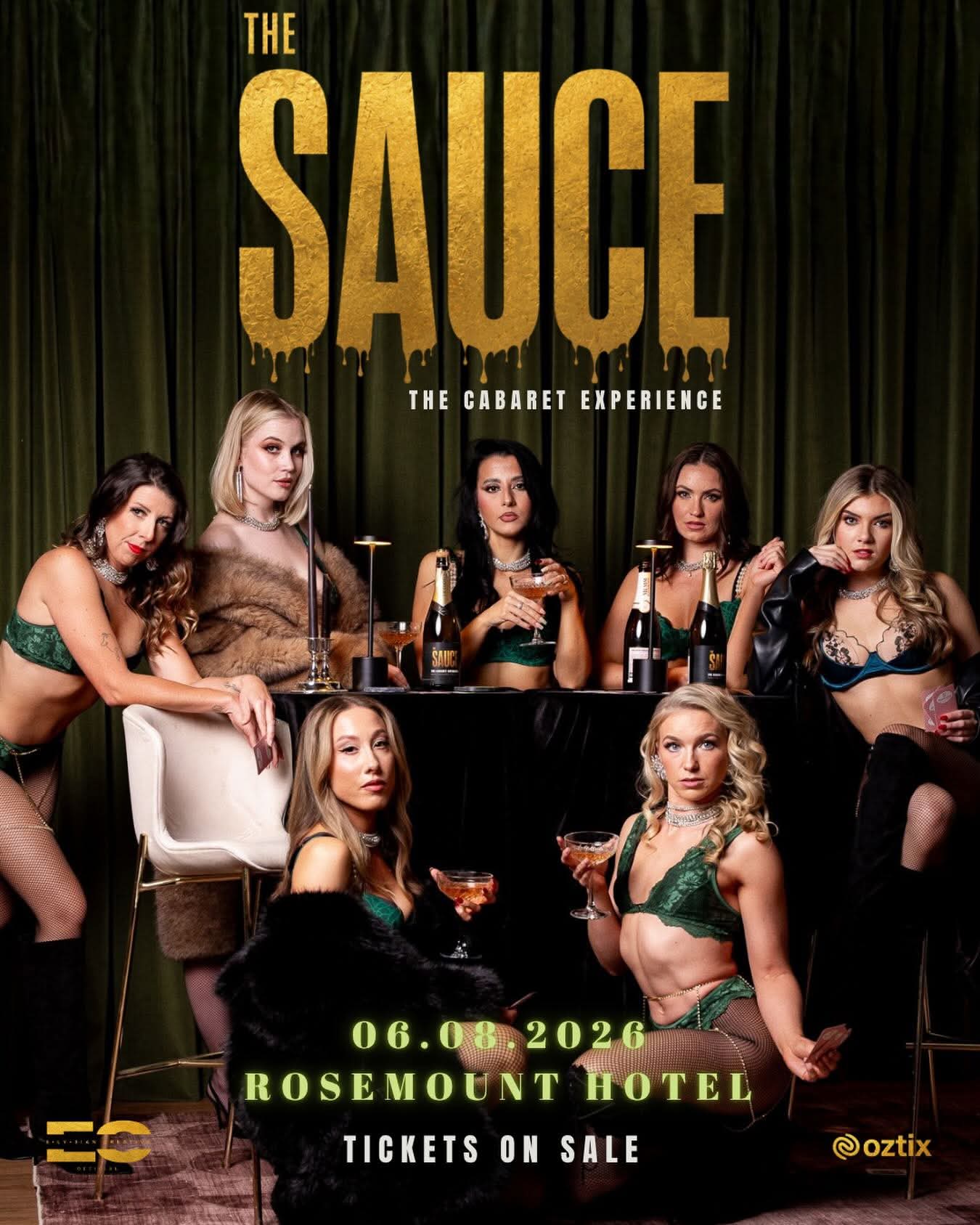
    Having followed Elysian Creative since their first performance of The Underground in 2020, expectations were already high heading into The Rosemount for their latest endeavour. Creative director and choreographer Rafaela Lico outdid herself once again with The Sauce, pivoting from the Latin-inspired telenovela drama of their signature series to deliver a high-octane heels showcase that was a genuine triumph of raw talent and slick stagecraft.

    Stepping away from heavy narrative drama to focus on pure, high-impact movement, The Sauce brings heels dance front and centre. Driven by a sizzling R&B soundtrack, the choreography is unabashedly sexy and sleek, backed by insane technique that gives every piece clear intention and weight.

    Rafaela Lico herself is an absolute powerhouse on stage, showcasing flawless technique, crisp precision, and a magnetic presence that is wonderful to watch. Alongside her, her extraordinary ensemble anchors the production with relentless charisma, moving seamlessly between featured solos and tight group numbers. Caitlyn McKie delivers a captivating, sexy burlesque tease, while Sarah May brings boundless charm and plenty of playful moves. Jacinta Baxter impresses with her sharp, high-powered kicks, and Kesh Ollivierre commands attention with poise and incredible extension. As true triple threats, Lisa Drennan and Krysten Parker switch smoothly between taking the mic and dancing right alongside the ensemble. Lisa brings rich, commanding vocals and stage presence, complemented beautifully by Krysten’s soulful tones. The pacing is effortless; the acts flew by so quickly that we easily could have watched them dance all night.

    Visually, the staging makes great use of the space, incorporating everything from chair routines and a ballet barre to bar-top dancing, an impromptu audience member dance battle, and even a surprise wedding scene where someone was plucked from the crowd to audition potential brides. The costume design is fantastic across the show, framing the dancers’ movement while elevating the aesthetic of the entire room. Backing it all up, the outstanding lighting design shapes the atmosphere perfectly, moving smoothly between sultry, moody tones and dynamic, pulse-pounding highlights.

    Elysian Creative continues to set a remarkably high bar for dance performance. From start to finish, the crowd sang, danced, laughed, and cheered through an electric night out. The Sauce is a sharp, captivating, and vibrant production that proves once again why Rafaela Lico and her cast are a force to be reckoned with – and we cannot wait for the next instalment.

    Please note: the writer has previously worked with a number of members of this cast and production team. Image sourced from Elysian Creative.
  • Eugene Onegin

    Eugene Onegin

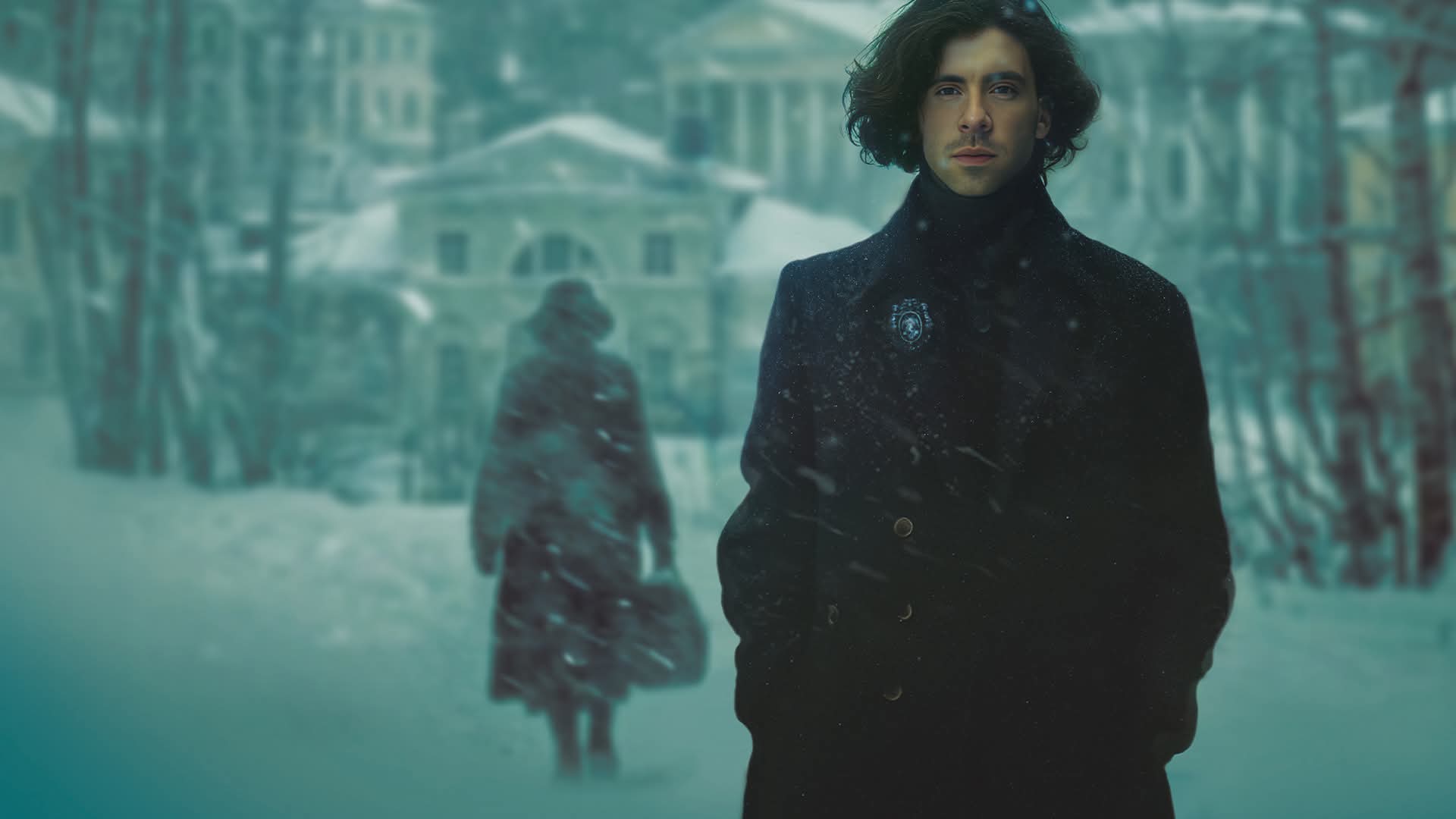
    Sitting in on West Australian Opera’s general rehearsal for Eugene Onegin gave an impressive first look at Tchaikovsky’s tragic masterpiece ahead of opening night. While a final rehearsal comes with the understanding that small details are still being fine-tuned, and a few minor lighting cues and staging moments were still being ironed out, the overall production design is effective, visually smart, and deeply atmospheric.

    Having been fortunate to attend WAO productions regularly since 2019, I feel like every time I leave the theatre I leave with a new favourite, and this staging of Eugene Onegin genuinely stands out as a highlight. While I’ll always have a soft spot for their traditional Italian repertoire, seeing the company tackle a sweeping Russian score is an exciting showcase of their artistic versatility. Tchaikovsky’s music is magnificent, and the orchestra delivered a rich, radiant performance that filled His Majesty’s Theatre with fantastic warmth and scale.

    The narrative is framed around an elderly Tatyana living in a care facility, reliving her youth through her memories. The way past and present bleed into one another is executed beautifully, particularly during the birthday ball scene where facility staff move through the room cleaning between dancing guests, threading through the crowd seamlessly. The set design cleverly merges the facility’s common room with a garden space from her past, while striking lighting works in tandem with AV elements to pull the audience back and forth between stark present-day reality and vivid, colourful memory, and the costume design provides a vital visual anchor across these shifting timelines. The period costumes, especially Tatyana, Olga, and Madame Larina’s dresses, are visually stunning, adding a lush contrast to the facility backdrop and helping the audience navigate where we are in time as Tatyana’s memory shifts.

    This visual richness is matched by a staging that is far more dynamic than you typically see in opera. Supported by seven professional dancers who carry the movement, the choreography is strong, stylised, and visually engaging, and the WAO Chorus moves so well alongside them that you would never guess they weren’t dancers themselves. One of the most captivating early sequences features the traditional harvest celebration – a moment I heard other patrons buzzing about during interval – rendered with fire, pitchforks, and eerie masks bringing an unsettling, ominous foreboding to the stage.

    The principal vocal performances were strong across the board. In the title role, Samuel Dundas delivers an enticing performance anchored by a rich vocal tone and a natural gift for storytelling. Eleanor Lyons was an absolute joy to watch as Tatyana, combining a beautiful voice with nuanced, convincing characterisation. Seeing Ashlyn Tymms’ name on a cast list is always a treat because you know you are in for something special, and she brought a radiant energy and vitality to Olga. Paul O’Neill turned in a solid, reliable performance as Lensky, while Brigitte Heuser was another highlight as Madame Larina, offering a brilliant contrast to the ‘crazy cat lady’ character we saw her tackle just a few weeks back in the Canary Cantata. Later in the piece, Teddy Tahu Rhodes as Prince Gremin provides a commanding shift in tone, anchoring the stage with a booming voice and a warm, grounded presence.

    Tying it all together, the WAO Chorus was sensational as always and really elevated the entire scope of the show. I’ve noticed over recent productions that the tenor section in particular seems to have found a fresh energy, bringing a rich depth and clarity to that line that gives the overall chorus sound a lovely extra sparkle.

    The vocal strength and emotional weight on stage carried every moment so effortlessly that I frequently forgot to look up at the surtitles, especially during the lively, movement-heavy chorus scenes. Beyond a few expected final-rehearsal tweaks, Eugene Onegin is a beautifully executed and emotionally resonant production that stands as a true highlight for the company.

    Please note: The writer received a complimentary ticket to this performance. Image sourced from West Australian Opera.

    Eugene Onegin presented by West Australian Opera

    August 6 – 15 2026

  • Bach’s Coffee Cantata and Telemann’s Canary Cantata

    Bach’s Coffee Cantata and Telemann’s Canary Cantata

    His Majesty’s Theatre was host to a wonderful evening of storytelling and musical satire, showing that Baroque compositions can be just as witty, theatrical, and absurd as modern comedy. As someone not particularly familiar with the style (and with this being the first Baroque concert I have attended) it was a fantastic introduction to the genre. Performed intimately in front of the house curtain with a minimalist stage setup, Australian Baroque’s production, with the ensemble led with vibrant energy by violinist and director Helen Kruger, used simple props and sharp characterisations to bring the lighter, more eccentric side of the era to life.

    The evening opened with Biber’s Sonata Representativa and Poglietti’s Aria Bizzarra del Rossignolo and set a playfully silly and bizarre tone for the night. The audience loved the violin’s mimicry of the different animals, especially the cat, which also neatly foreshadowed narrative themes to come.

    The momentum picked up with Telemann’s Canary Cantata. Written as an over-the-top mock tragedy about a beloved pet bird met with a tragic feline end, Brigitte Heuser delivered an exceptionally funny, engaging performance in a fantastic costume to match. Her clear storytelling and dramatic flair captured the satirical grief of the text, holding the audience with ease.

    This was followed by Telemann’s Don Quixote Suite, a charming, highly descriptive instrumental piece (with narration by Euan MacMillan) that vividly painted the misadventures of Cervantes’ famous knight.

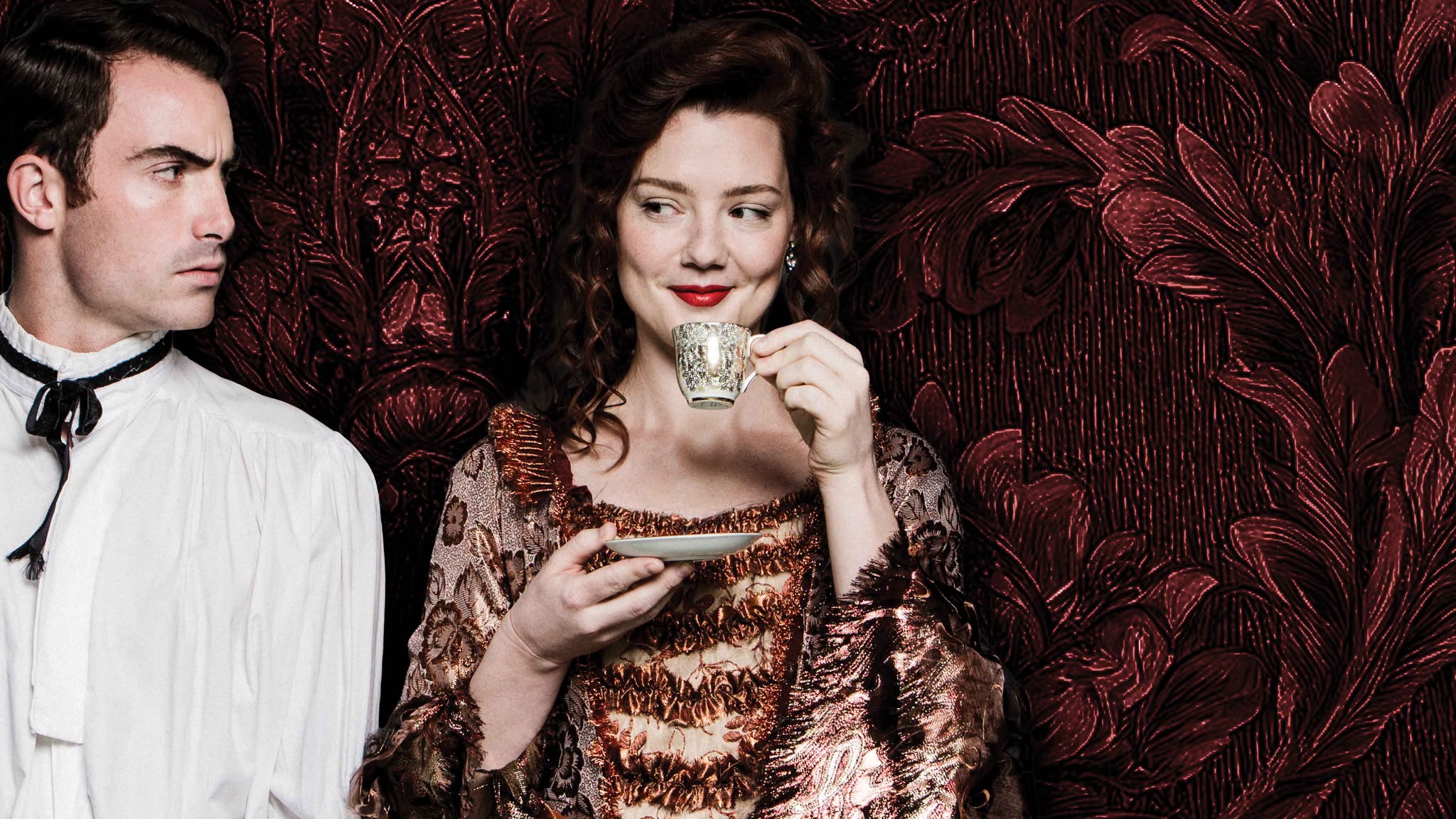
    The definitive highlight of the night was Bach’s Coffee Cantata. The energy in the theatre visibly transformed as the musicians emerged after a costume change into period wardrobe and wigs, complete with the delightful detail of tiny coffee-cup headpieces.

    The performance was thoroughly engaging, leaning wholeheartedly into the farce and striking the perfect balance between excellent singing and laugh-out-loud comedy. Brett Peart as the father brought fantastic physical comedy, sharp characterisation, and crystal-clear diction, anchoring the exasperated parent persona with a rich vocal tone and great comic timing with his daughter. Opposite him, Prudence Sanders as the daughter was a joy, looking stunning in a gorgeously detailed dress, matching his energy with a lovely voice, and playing the stubborn, coffee-obsessed youth with real charm. Euan MacMillan tied it all together as the Narrator, stepping in as the eventual suitor to round out a brilliant trio that brought the whole performance together.

    What made both of these pieces land so effectively was the modernised translations of the text. Adapting Telemann and Bach’s satires into contemporary household battles (like threatening to cut off the Wi-Fi and forcing her to do Sudoku instead) was very clever and made the generational clash instantly relatable.

    By the final number the entire audience was absolutely charmed by the warmth, joy, and sheer theatricality on display. It was a thoroughly entertaining night that showed just how vibrant and accessible Baroque music can be.

    Please note: The writer received a complimentary ticket to this performance. Image sourced from West Australian Opera.

    Bach’s Coffee Cantata and Telemann’s Canary Cantata – Presented by Australian Baroque and West Australian Opera